Brand design is not just about looking polished. It quietly shapes whether people trust a business, remember it, and eventually choose it over the competition. The brands that treat design as a real strategic tool usually pull ahead in recognition and results.
Let’s break down what actually works, why some designs stick while others fade, and how businesses can improve their own visual identity without overcomplicating things.
What Is Brand Design and Why Does It Matter?
Brand design covers the full visual picture of a company. That means the logo, colours, fonts, image style, packaging, website, and even how content shows up on social platforms.
When these pieces feel connected, a few things tend to improve:
People recognise the brand quicker
The business comes across as more credible
Visitors are more likely to take action
Customers feel a stronger connection
Marketing spends start working harder over time
When the design feels scattered or inconsistent, people sense it. Trust slips. That is exactly why solid Brand Identity Design is worth treating as a proper business investment rather than a one-time creative task.
What Makes a Brand Design Successful?
Looking at brands that have stayed strong for years, a few patterns keep showing up.
Simplicity usually wins.
The designs people remember longest are often the ones that cut the clutter. Apple is still the clearest example. Clean layouts, limited colours, and a simple logo have helped the brand stay recognisable for decades without constantly reinventing itself.
Standing out matters more than following trends.
A design that feels unique has a better chance of sticking. Using the same popular fonts and colour combinations as everyone else rarely helps a brand feel different.
Consistency builds quiet trust.
When a brand looks one way on its website and another way on packaging or social media, people notice. Even small mismatches can make a business feel less reliable.
Purpose should lead the visuals.
Airbnb’s Bélo symbol got heavily criticised when it first launched. It survived because it was tied to a clear idea of belonging. Design that supports a real message tends to last longer than design made only to look modern.
It has to work everywhere.
A strong brand system needs to hold up on a phone screen, a product label, a billboard, and a social profile without falling apart.
Key Elements That Show Up in Strong Brand Designs
Most brands that perform well include these pieces:
A logo that stays clear at any size
A focused colour palette that feels intentional
Typography that supports the brand personality
A consistent approach to photos or illustrations
Simple guidelines that help teams stay on track
These elements work best when they support each other instead of competing for attention.
Lessons from Brands That Got It Right
Apple shows what happens when a company commits to restraint. Their visual approach has stayed remarkably steady, and that consistency has become part of the premium feeling people associate with the brand.
Airbnb is a useful reminder that a design can recover from a rough start. The Bélo faced a lot of mockery at launch, yet it eventually became closely linked with the brand’s core idea.
Nike keeps everything pointed in one direction. The Swoosh, the bold type, and the energetic imagery all reinforce the same message of empowerment. That kind of clarity makes the design more powerful.
In many redesigns, the brands that see real improvement are usually solving a concrete problem. Low visibility, an outdated feel, or weak emotional connection are common triggers. Changes made only for the sake of looking fresh rarely deliver the same results.
How to Build a Stronger Brand Design System
Here is a practical path most businesses can follow:
Start with strategy. Get clear on who you serve and what makes you different before jumping into visuals.
Review everything the brand currently uses. Check the website, social profiles, presentations, and packaging. Look for places that feel inconsistent.
Develop assets that feel distinctive. Create a logo system, colour rules, and type choices that competitors cannot easily copy.
Write down how the brand should appear. Clear guidelines save time and stop the design from slowly drifting.
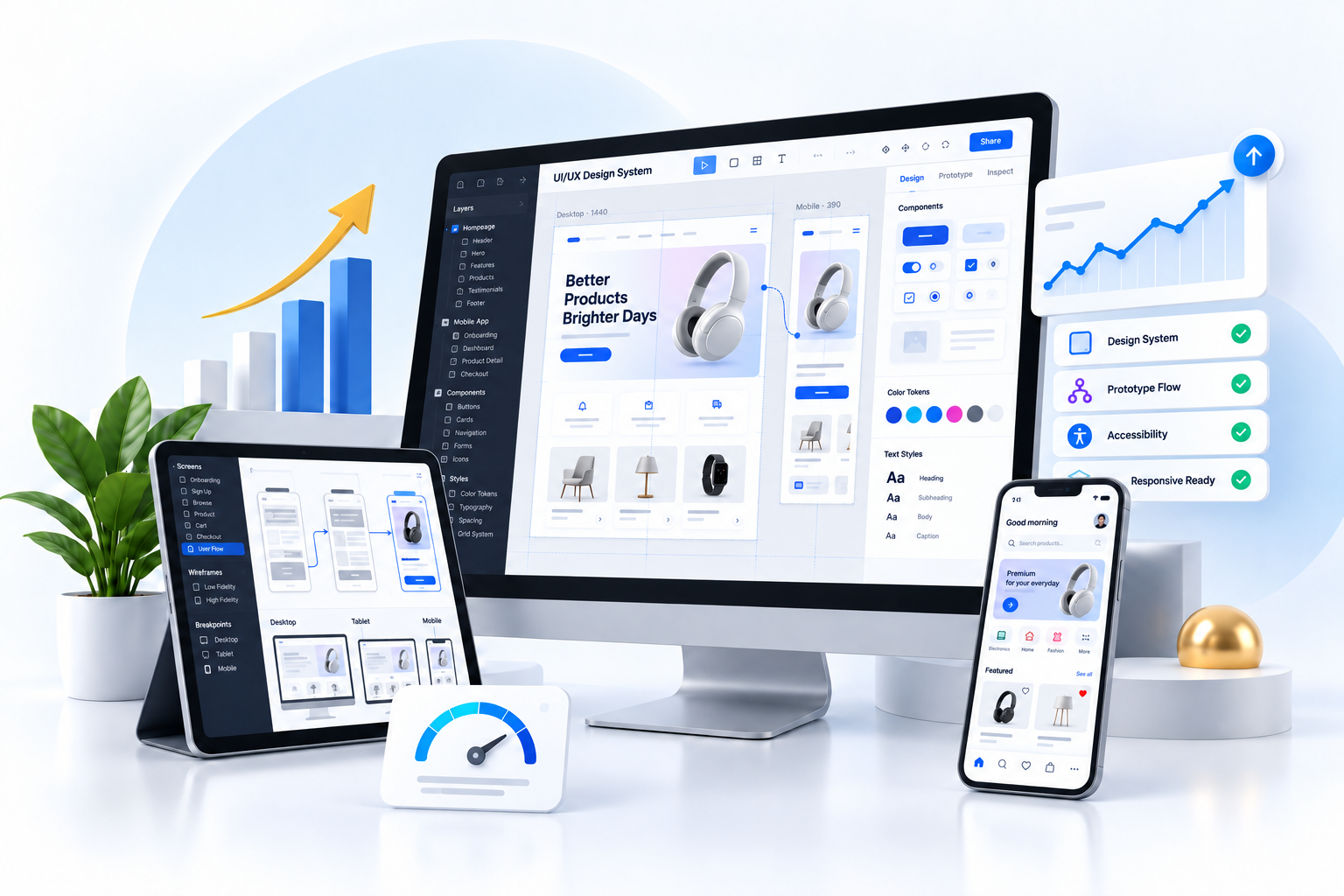
Test with real people. Something that looks clean in a design file can feel confusing on a phone. This is often where UI/UX Design Services add real value by checking how the brand performs in actual digital experiences.
Protect consistency over time. Make sure internal teams and outside partners follow the same rules.
Common Mistakes Worth Avoiding
A few patterns keep causing problems:
Creating only a logo and calling it a complete brand
Changing the look too often
Chasing design trends instead of building something ownable
Ignoring how the design appears on smaller screens
Leaving the rules undocumented
Designing in isolation without checking real-world use
Avoiding these already puts a brand ahead of many competitors.
How Code of Dolphins Approaches Brand Design
At Code of Dolphins we treat brand design as a full system rather than a one-off creative project. We help businesses build clear visual identities, logo systems, and digital experiences that support growth. The process focuses on research, practical strategy, and designs that improve recognition and conversion for startups, SMEs, and larger organisations. Quite a few clients later pair this foundation with Social Media Marketing Services so the brand stays consistent and effective across platforms.
A strong visual system makes every other marketing effort more efficient. When the brand looks and feels coherent, people understand it faster and trust it more easily. Layering Content Marketing Services on top of that foundation helps businesses tell their story more clearly and attract the right audience over time.
If your current brand feels unclear, outdated, or inconsistent, strengthening the design system can create noticeable gains in both recognition and results.
Frequently Asked Questions
What is the difference between a logo and brand design?
A logo is only one piece. Brand design covers the full visual system including colours, fonts, imagery style, layout rules, and how everything appears across different channels.
How long does a brand redesign usually take?
Most thoughtful projects take several weeks to a few months. The exact timeline depends on the amount of research needed, the number of applications, and how many rounds of feedback are involved.
Can small businesses benefit from professional brand design?
Yes. Clear and consistent design helps smaller businesses look more established and build trust faster, which is especially useful when competing against larger players.
How often should a brand update its design?
Most brands do not need frequent full redesigns. Strong systems can evolve gradually. A major redesign is usually needed only when the business has clearly outgrown its current identity or when its market position has changed significantly.
What matters most in successful brand design?
Clarity and consistency. Designs that clearly express what the brand stands for and appear the same way across every channel tend to perform best over time.
Ready to Strengthen Your Brand Design?
Get a clear, consistent brand identity that builds trust and recognition. Let’s create a design system that works across every touchpoint.
Talk to Our Team